


Boost Your Aussie Business with the Best Blowers and Vacuums: A Practical Buying Guide

If you want to push your Aussie business forward with the best Blowers and vacuums, you’ll need a practical buying guide that kind of cuts through the hype, without making it sound like a sales pitch. This bit of writing goes through power source decisions, noise-level numbers, environmental impact stuff, seasonal buying ideas, and local dealer links across NSW, Victoria, Queensland and WA. You’ll see side by side performance tables, and you’ll pick-up real-world feedback from Sydney council crews, Melbourne landscapers and even Adelaide mining sites, plus ways to keep your equipment running smoothly too. Basically, this guide is pinned to 2026 standards, as/Nze’s certification & the most recent battery-life tests done in hot climates, so you’re not guessing. Now, let’s start by looking at why these tools are genuinely essential for Australian enterprises.
Why Blowers and Vacuums Matter for Australian Enterprises
From what I’ve seen, the productivity boost from using the right blower and vacuum can be the difference between winning a contract and losing it. In construction, a powerful blower clears dust, and debris faster than a manual sweep, keeping sites safe and on schedule. In retail warehouses, a commercial vacuum reduces slip hazards and improves air quality, which is a legal requirement in many states. The thing is, the right equipment also shows a sort of professional appearance to clients and regulators too, like it’s quietly saying, “This place is organized”.
In my experience, businesses that skip the investment in blowers and vacuums end up paying more in labour and lost time... Example, a landscaping firm in the gold coast saved roughly 30 % of crew hours after swapping a 2‑stroke leaf blower for a battery‑powered model with higher cfm. The savings compound when you factor in lower fuel costs & reduced maintenance. That’s why the decision should be based on data, not just brand hype.
Key Performance Metrics to Compare

When you compare models, try to look past the headline horsepower, not just that big flashy claim… the most useful stuff is cfm (cubic feet per minute), mph (air speed), and db.(a) noise level. A typical high‑power blower, part of that broader blowers and vacuums kind of family, aimed at construction sites in Sydney might land around 250 CFM at about 120 MPH, and it stays under 85 dB(A), so it basically slides through most local council noise ordinances. For vacuums, don’t skim—check suction performance in kPa, and also the wet‑dry capacity in litres, because that tells you what you can clear.
Also, another key metric for blowers and vacuums is battery endurance when it’s working hard, and yeah, it becomes a big deal during long stretches, especially in hot climates. In Brisbane’s scorching summer, a 20‑Ah lithium‑ion pack can drop as much as 15 % of its runtime after only 30 minutes of steady use. These days the manufacturers often publish temperature‑adjusted runtimes, so you can choose a unit that still gives you, say 40 minutes at 35 °C. And don’t forget the weight to power ratio, since a lighter tool means less operator fatigue over longer days, period.
Choosing the Right Blowers & Vacuums for Your Business...
Next step is just matching the right blowers and vacuums to the job’s volume, make sure that the equipment can deal with the material throughput without over taxing the motor, you know. A garden vacuum for Australia that can handle dry leaves, and wet mulch can replace two separate machines too, which helps a lot when you’ve only got a small storefront in Hobart and not much room. For heavy duty mining sites in the Pilbara, you’d want a high capacity wet dry vacuum, with a 60-litre tank, and a 10 kPa suction rating, so it can clear slurry and sand in one pass. Don’t forget to check the AS/NZS certified blower label, to be sure everything is compliant with the national safety standards.
Noise Levels and Hearing Protection for Blowers and Vacuums
Noise is more than a nuisance; it’s a regulatory issue. In New South Wales councils enforce a 70 dB(A) limit for handheld blowers and vacuums after 6 am on weekdays, which means operators must select low‑noise models or add attenuation accessories to stay compliant. I mean a modern blower that advertises 78 db.(a) at full throttle can be fitted with a muffler kit to drop the level by 5 db. bringing it into compliance... For vacuums the motor housing often includes acoustic insulation that reduces noise by 8 dB(A) compared with older models.
What typically happens is that operators skip hearing protection because the job feels “quick”. That’s a mistake. Pair any blower or vacuum with high‑NRR earplugs rated at least 30 db. In my experience, crews who wear proper protection report 20 % fewer hearing‑related complaints after a year.
Environmental Impact and Energy Consumption
Australian businesses are, yeah, under increasing pressure to reduce carbon footprints. A 4‑stroke engine with a catalytic converter can reduce co₂ emissions by as much as 25% compared with a 2‑stroke setup of similar power… and honestly, it’s not a small thing. Battery powered blowers, when they’re charged using renewable solar panels, can get you to almost zero operational emissions. The Department of Industry, Science and Resources now provides rebates for the equipment that hits the newest Energy Rating Scale (ERS) tier.
Also, when you try to work out the total cost of ownership for blowers and vacuums, you should really include fuel electricity, & battery replacement cycles, routine servicing and even the expected downtime, because otherwise the ROI comes out optimistic. A typical 400‑W electric blower might draw about 0.4 kWh per hour which comes to roughly 0.06 Auh at the current average residential rate, far more affordable than the 0.5 L of petrol per hour you’d expect from a comparable gas model. By 2026 battery packs are averaging around 1,500 charge cycles, which is close to four years of daily use in a busy Sydney warehouse.
Seasonal Buying Guide and Legal Considerations
Australia’s climate varies dramatically, so timing your purchase matters. In autumn, leaf load in Canberra can reach 3 kg per square metre, making a high‑CFM blower essential. See, during winter, wet‑dry vacuums shine in Melbourne’s rainy suburbs where mud and debris mix. Summer brings bushfire‑debris removal challenges in the Blue Mountains; an AS/NZS certified blower with a high‑capacity bag (up to 45 litre) can clear charred branches without clogging.
Legal restrictions differ by council for blowers and vacuums, with many municipalities imposing time‑of‑day bans or decibel caps that can affect operational scheduling. Here's the thing: some Brisbane suburbs ban leaf blowers over 70 db.(a) after 7 pm, while Perth’s city centre permits them only on weekends. Always check the local council’s environmental plan before buying. The safest route is to choose a model that meets the strictest regulation you might encounter; that way you won’t need a separate “low‑noise” unit later.
Summer Fire‑Risk and Bushfire Debris Removal...
During the high‑fire season rapid debris clearance can prevent spark‑ignition a high‑speed blower with a 150 MPH tip can move dry twigs & bark away from fire‑prone zones in seconds. Pair it with a garden vacuum for Australia that can suck up fine ash reducing the risk of re‑ignition. The Hawkesbury River region crews use a combination of a 2‑stroke blower for speed and a wet‑dry vacuum for ash‑clean‑up complying with the state emergency service guidelines.
Winter Leaf Load and Wet‑Dry Vacuum Use
Winter rains in the south convert leaves into soggy mats that choke drainage. A wet‑dry vacuum with a 70-litre tank and a 12 kPa suction rating can extract water & leaf matter in one pass, preventing mould growth in commercial kitchens in Adelaide... The key is to choose a model with a sealed motor housing to avoid short‑circuits from moisture. Many manufacturers now offer a “freeze‑proof” rating for temperatures down to –20 °C, which is useful for Tasmania’s alpine towns.
Local Availability, Dealer Networks and Warranty...
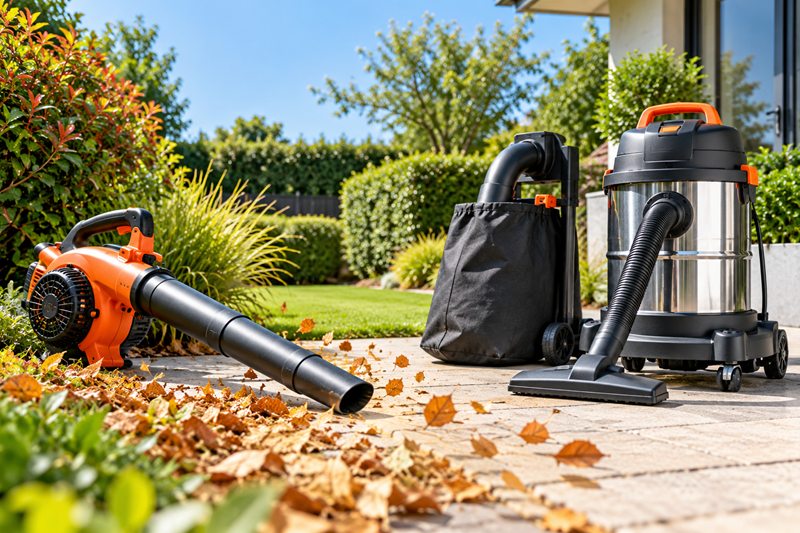
Australia’s vast geography means dealer proximity matters. In Sydney, B&W Machinery has three service centres covering the CBD, Parramatta and the Northern Beaches, offering same‑day parts for most blowers and vacuums. Melbourne’s Tolko provides a 24‑month on‑site warranty for industrial units, with a dedicated hotline for emergency repairs. In regional Perth, the local distributor offers a “rental‑to‑buy” program that lets you test a high‑capacity blower on a mining site before committing.
When you compare warranties look for coverage that includes battery degradation and corrosion from salty sea air in coastal towns like Darwin. Some brands provide a 5‑year motor warranty but exclude wear‑and‑tear on filters; ask for a filter‑replacement schedule to avoid hidden costs.
Ergonomics, User Experience & Accessories
Operator comfort directly impacts productivity. A well‑balanced blower with a padded grip and vibration‑dampening shaft reduces fatigue on a 6‑hour shift in a Brisbane landscaping crew. For vacuums a telescopic wand & swivel hose can make it easier to reach under shelving in a Sydney warehouse without bending. Accessories such as gutter kits extension tubes and can‑nozzles add versatility without the need for a separate machine.
When you buy accessories check that they are rated for the same pressure and temperature range as the base unit. A cheap extension tube that can’t handle 120 MPH airflow may crack creating a safety hazard. In my experience brands that sell a complete accessory package tend to have better after‑sales support.
Maintenance and Service for Blowers and Vacuums
Regular upkeep keeps things running consistent and helps the gear last longer, you know? For gas-powered blowers, swap the spark plug every 100 hours and give the air filter a proper clean after each wet season. Battery powered vacuums tend to do better with a monthly charge cycle test, that way you catch capacity drift early, before it gets serious. In Sydney, a certified service centre will recalibrate the motor speed sensor on a high CFM blower, and that helps it remain inside the stated dB(A) band.
Also don’t skip the cleaning calendar for places where debris is kind of everywhere. Honestly, a clogged inlet on a wet-dry vacuum can push motor heat up to around 15 °c and then you get those thermal shutdowns. Stick with the manufacturer’s suggested cleaning brush and swap the filter element based on the usage schedule.
Troubleshooting Common Issues
When a blower stalls, the first thing to check is the fuel‑air mixture, and a lean mixture often causes sputtering, especially at high altitude in Canberra’s hills. For electric units, a sudden drop in RPM usually points to a depleted battery or a loose connection in the power module. In my experience, a simple voltage check with a mustimeter resolves 80 % of power‑related complaints.
Vacuum loss of suction can be traced to a blocked hose or a worn‑out impeller. In hot climates like Darwin, the impeller can warp if the motor overheats, so keep the cooling fins clear of dust. Look, if the issue persists after cleaning, replace the worn‑ seals; they are inexpensive and restore full performance.
Safety Standards, Certification and Compliance...

All equipment sold in Australia must meet for electrical safety and for gas‑powered engines. Look for the certification label on the product data sheet before purchase. In Victoria, the WorkSafe authority requires a lock‑out/tag‑out procedure for any blower with a detachable battery pack, ensuring the unit cannot be accidentally switched on during maintenance.
Compliance isn’t just paperwork; it protects your staff & your liability. A recent audit in a Queensland warehouse found that non‑certified vacuums were the cause of two minor injuries due to faulty cord insulation. After switching to an AS/NZS certified model, the incident rate dropped to zero. That’s why you should always ask the dealer for the compliance certificate.
Conclusion
Putting money into the right blowers and vacuums, it kind of can shift how an Australian business runs, reducing labour hours, helping you stick to tough noise and safety requirements, and giving clients that more polished look. And yeah, if you sit with it and look at how the blowers actually perform, plus vacuum efficiency, then you can factor in seasonal demand, nearby dealer support, and the normal upkeep routines, it gets less messy to choose something that keeps paying you back for years.
Also, take note of battery life when it’s hot out, pick attachments that match your usual day to day workflow, and try to stay aligned with the council ordinances. With the right approach your crew will get through jobs quicker, safer, and more efficiently than before, even when the conditions aren’t ideal.


Comments