


How Regular Pest Control Improves Health and Home Comfort
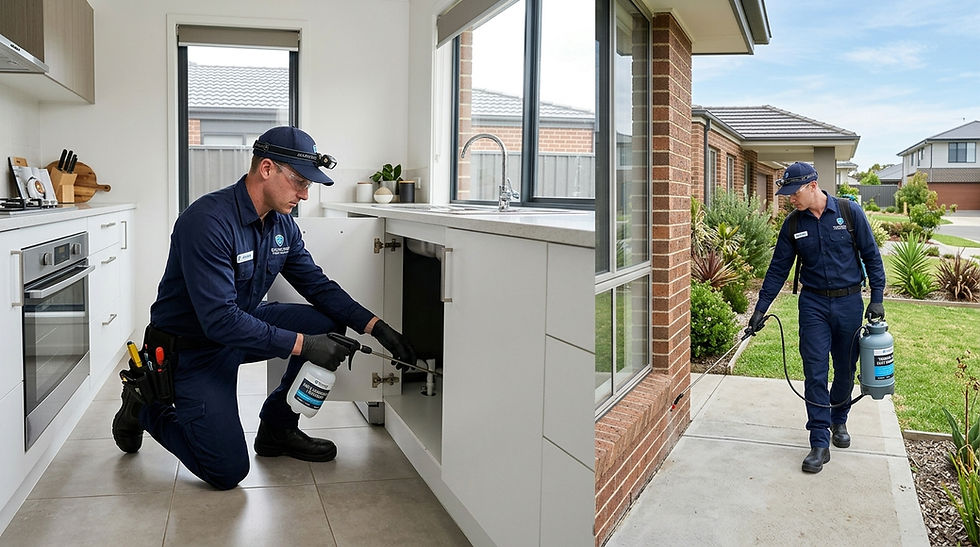
Keeping a home safe, healthy and comfortable is a top priority for every Australian homeowner. One of the most effective ways to achieve this is through regular pest control. By tackling insects, rodents and other unwanted guests early, you protect your family’s health, preserve the condition of your property and create a more pleasant living environment. This guide explores why pest control matters, how it fits into home improvement projects and what you need to know about Australian regulations, providers and seasonal tips.
Why Regular Pest Control Matters
Health protection
Pests are more than a nuisance; they can carry diseases, trigger allergies and contaminate food. Regular pest control reduces the risk of infections such as salmonella from cockroaches, leptospirosis from rats and asthma attacks caused by dust-mite allergens. By keeping pest populations low, you create a healthier indoor air quality for everyone in the house.
Preserving home comfort
Unwanted critters can damage structures, wiring, insulation and furniture. Termites can weaken timber, while carpenter ants hollow out woodwork. Rodents chew through cables, creating fire hazards. A consistent pest control plan prevents these issues, saving you from costly repairs and keeping your home comfortable year-round.
Health Benefits of a Proactive Pest Control Plan
Reduced disease transmission: Regular treatment limits exposure to pathogens carried by insects and rodents.
Lower allergy triggers: Fewer cockroaches and dust mites mean less allergen load in the air.
Cleaner food storage: Sealed kitchens and pantry inspections keep food safe from contamination.
Peace of mind: Knowing your home is pest-free reduces stress for you and your family.
Home Comfort Benefits of a Proactive Pest Control Plan
Structural integrity: Prevents wood-eating insects from compromising walls, floors and roof trusses.
Electrical safety: Stops rodents from gnawing on wiring, reducing fire risk.
Noise reduction: Eliminates the rustling and scratching sounds that pests make at night.
Improved sleep: A pest-free bedroom leads to better rest and overall wellbeing.
Common Pests in Australian Homes
Insects
Australia’s climate supports a wide range of insects. The most common household pests include:
Termites – especially subterranean species that attack timber foundations.
Cockroaches – German and Australian native species thrive in warm, humid kitchens.
Ants – Argentine, green tree and carpenter ants are frequent intruders.
Spiders – Redback and funnel-web spiders can be found in garages and sheds.
Flies – House flies and fruit flies contaminate food surfaces.
Rodents
Rats and mice are attracted to food sources and shelter. They can squeeze through tiny openings, making it essential to seal entry points and use professional pest control to keep them out.
Choosing the Right Pest Control Service
What to look for
When selecting a pest control provider, consider the following factors:
Licensing and certification: In Australia, pest control operators must hold a valid licence from the state or territory authority.
Experience with local pests: Companies familiar with Australian species will choose effective treatment methods.
Environmental responsibility: Look for providers that use low-toxicity products and integrated pest management (IPM) practices.
Transparent pricing: A clear quote that outlines inspection, treatment and follow-up visits helps you budget.
Customer reviews: Local feedback on reliability and results is a good indicator of quality.

DIY vs Professional
Many homeowners start with DIY solutions such as traps and over-the-counter sprays. While these can be useful for minor sightings, they often fail to address hidden infestations. Professional pest control offers comprehensive inspections, targeted treatments and ongoing monitoring, which are essential for long-term protection.
Legal and Regulatory Landscape in Australia
Each Australian state and territory sets its own pest control regulations. Key points include:
New South Wales (NSW): Pest control operators must be licensed under the Pest Control Act 1995.
Victoria (VIC): The Victorian Building Authority oversees termite management plans for new constructions.
Queensland (QLD): The Queensland Health Department regulates pesticide use and requires safety data sheets.
Western Australia (WA): The Department of Mines, Industry Regulation and Safety issues licences for pest control businesses.
South Australia (SA) & Tasmania (TAS): Both require annual renewal of pest control licences and adherence to the Australian Pesticides and Veterinary Medicines Authority (APVMA) standards.
Homeowners should verify that any contractor they hire holds a current licence for their state. This ensures compliance with safety standards and legal protection.
Eco-Friendly Pest Control Options
Australian consumers increasingly demand sustainable solutions. Eco-friendly pest control includes:
Biological controls such as beneficial nematodes for soil-dwelling pests.
Botanical insecticides derived from neem or eucalyptus oil.
Physical barriers like mesh screens and steel wool to block entry.
Integrated pest management (IPM) that combines monitoring, sanitation and targeted treatments.
Seasonal Tips for Australian Homeowners
Summer
Warm weather encourages insects and rodents. Increase inspections, keep windows screened and store food in airtight containers.
Winter
Pests seek warmth indoors. Seal cracks, insulate pipes and schedule a pre-winter pest control visit.
Spring
Termite activity spikes as soil moisture rises. Conduct a termite inspection and consider a barrier treatment.
Autumn
Leaves and debris provide shelter for pests. Clean gutters, remove yard waste and check for nesting rodents.
Integrating Pest Control into Home Improvement Projects
When renovating, you have a perfect opportunity to embed pest-preventive measures. Consider the following:
Install termite-resistant building materials such as steel mesh or treated timber.
Use sealed conduit for electrical wiring to block rodent entry.
Apply waterproofing to foundations to reduce moisture that attracts termites.
Incorporate ventilation to discourage mold-loving insects.
Plan landscaping with a gap between soil and building foundations to limit pest access.
Questions and Answers: Common Questions About pest control in Australia
Below are the most frequently asked questions by Australian homeowners. Each answer is concise and practical.
Q: What are the most common pests in Australian homes and how can I identify them?
A: Typical pests include termites, cockroaches, ants, spiders and rodents. Look for signs such as mud tubes (termites), droppings (rodents), shed skins (cockroaches), webbing (spiders) and gnaw marks on wood or wiring.
Q: How often should I schedule professional pest control for a typical Australian house?
A: A quarterly schedule is recommended for most homes. In high-risk areas, such as coastal regions with high humidity, a bi-monthly visit may be advisable.
Q: Do I need a licence to apply pest control products myself in Australia?
A: Yes. In most states, only licensed professionals may apply certain pesticides, especially those used for termites or large-scale treatments. DIY products are limited to low-risk, over-the-counter items.
Conclusion: Your Path to a Successful pest control in Australia
Regular pest control is a vital part of any home improvement strategy. It safeguards health, preserves the structural integrity of your property and enhances everyday comfort. By understanding local regulations, choosing licensed providers, and incorporating eco-friendly practices, you can create a resilient, pest-free home. Start with a thorough inspection, set up a quarterly maintenance plan, and integrate preventive measures into your next renovation. With these steps, you’ll enjoy a healthier, quieter, and more valuable home for years to come.
Comments