


How to Choose the Right Roof Anchor Points for Optimal Safety

Have you ever wondered what keeps workers safe when they're up on your roof? What happens if someone slips while cleaning gutters or installing solar panels? And more importantly, is your building actually equipped to prevent a tragedy?
Roof anchor points might not be the most glamorous topic, but they're absolutely vital when it comes to protecting lives. These small but mighty devices serve as the connection point between a worker and their fall arrest system. In Australia, falls from height remain one of the leading causes of workplace deaths and serious injuries. That's why understanding how to choose the right anchor points isn't just about ticking compliance boxes it's about making sure everyone who works on your roof goes home safely.
In this guide, we'll walk you through everything you need to know about selecting the best roof anchor points for your building. From understanding Australian standards to matching anchors with your roof type, we'll cover the key considerations that'll help you make an informed decision. Whether you're a property owner, facilities manager, or contractor, you'll come away with practical knowledge to keep your worksite safe and compliant.
What Are Roof Anchor Points and How Do They Work?
Understanding the Basics of Fall Arrest Systems
Roof anchor points are fixed devices installed on rooftops that provide a secure attachment point for personal protective equipment. Think of them as the foundation of any fall protection system. When a worker clips their harness lanyard to an anchor point, they're creating a lifeline that'll catch them if they lose their footing.
A complete fall arrest system typically includes three main components: the anchor point itself, a connecting device (like a lanyard or self-retracting lifeline), and a full-body harness worn by the worker. Each element works together to distribute the forces generated during a fall, minimising injury risk.
The anchor point bears the brunt of the load during a fall arrest situation. That's why proper installation and regular inspection are non-negotiable. A single anchor point must withstand forces of at least 15kN that's roughly equivalent to holding up a small car.
Types of Roof Anchor Points Available in Australia
Australian buildings use several anchor point varieties depending on roof construction and usage requirements. Single-point anchors are the most common, providing one attachment location for a single worker. These work brilliantly for occasional maintenance tasks.
Multi-point systems, including static lines and rail systems, allow multiple workers to move freely across larger roof areas. You'll often spot these on commercial and industrial buildings where regular access is needed. Temporary anchors offer flexibility for short-term projects, while permanent installations provide ongoing protection for buildings requiring frequent roof access.
What Are the Australian Standards for Roof Anchor Points?
AS/NZS 1891.4 Compliance Requirements
All roof anchor points installed in Australia must comply with AS/NZS 1891.4, which sets out the specific requirements for anchor devices. This standard covers design, testing, installation, and ongoing certification. It's not optional it's the law.
The standard specifies that anchor points must be tested and certified by a competent person upon installation. They also require annual recertification to verify they're still fit for purpose. Documentation matters too; you'll need to keep records of all inspections and certifications for potential audits.
Who Is Responsible for Installing Compliant Anchor Points?
Property owners and building managers carry the primary responsibility for providing safe roof access. However, if you're engaging contractors, you've got a duty to verify their qualifications. Only trained and competent installers should fit anchor points this isn't a job for your average handyman.
How Do I Know If My Roof Needs Anchor Points?
Assessing Your Roof Type and Structure
Not every roof automatically requires anchor points, but most do if anyone ever needs to access them. Consider how often maintenance occurs on your roof. Air conditioning units, solar panels, skylights, and antenna equipment all require periodic servicing.
Your roof's pitch plays a role too. Steeper roofs present greater fall risks and typically demand more comprehensive safety systems. Fragile roofing materials like fibreglass sheeting or aged terracotta tiles add another layer of complexity.
Common Scenarios Requiring Roof Safety Systems
Regular gutter cleaning, solar panel maintenance, and HVAC servicing are prime examples of activities requiring fall protection. Building inspections, painting, and pest control work also fall into this category. Essentially, if someone's working at height on your property, you need appropriate safety measures in place.
How to Choose the Best Roof Anchor Points for Your Building
Matching Anchor Points to Your Roof Material
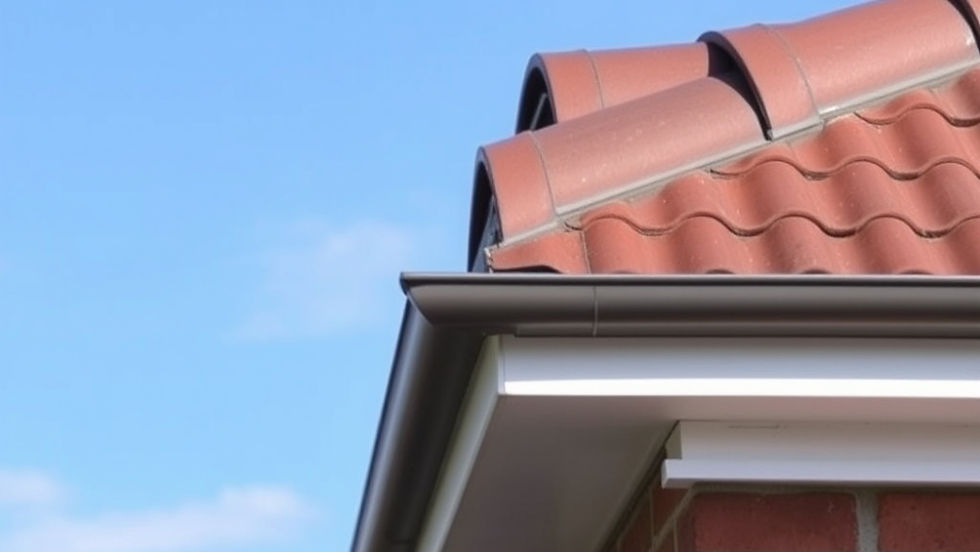
Different roof materials demand different anchor point solutions. Metal roofs typically accommodate through-fix anchors that penetrate the sheeting and connect to the underlying structure. Tile roofs require specialised tile-replacement anchors that sit flush with the roof surface.
Concrete roofs use chemical or mechanical fixings drilled directly into the substrate. Membrane roofs need careful consideration to avoid compromising waterproofing spreader plates help distribute loads without puncturing.
Single-Point vs Multi-Point Anchor Systems
For occasional access by one person, single-point anchors offer a cost-effective solution. However, if multiple workers need simultaneous access or require movement across the roof, multi-point systems provide greater flexibility.
Static lines allow workers to traverse longer distances while remaining connected. They're ideal for roofs with equipment scattered across the surface. Consider your typical work patterns when deciding between systems.
Permanent vs Temporary Roof Anchors: Which Is Right for You?
Permanent anchors suit buildings with regular maintenance requirements. They're always ready when needed and become part of your building's safety infrastructure. Temporary anchors work well for construction projects or one-off access situations.
Keep in mind that temporary systems still require proper installation and inspection. They're not a shortcut around safety requirements.

How Often Should Roof Anchor Points Be Inspected?
Certification and Recertification Requirements
Australian standards mandate annual recertification by a competent person. This inspection verifies structural integrity, checks for corrosion or damage, and confirms the anchor remains compliant. Missing certifications can result in hefty fines and, more importantly, put lives at risk.
Signs Your Anchor Points Need Replacing
Watch for visible rust, loose fixings, or any signs of stress around mounting points. If an anchor has arrested a fall, it must be inspected immediately the forces involved may have caused invisible damage. When in doubt, replace it.
Can I Install Roof Anchor Points Myself?
DIY vs Professional Installation: What You Need to Know
Short answer: no. Anchor point installation requires specialist training and knowledge of structural engineering principles. Incorrect installation could result in anchor failure during a fall with potentially fatal consequences.
Finding a Qualified Height Safety Installer in Australia
Look for installers with specific height safety certifications and experience with your roof type. Ask for references, check their insurance, and verify they'll provide proper documentation upon completion.
Making the Safe Choice for Your Property
Choosing the right roof anchor points comes down to understanding your building's specific needs and matching them with compliant, quality solutions. From assessing your roof type to selecting between permanent and temporary systems, each decision impacts worker safety.
The key takeaways? Always prioritise compliance with AS/NZS 1891.4, use qualified installers, and maintain rigorous inspection schedules. Cutting corners with height safety simply isn't worth the risk.
Your roof anchor points represent an investment in human life. By taking the time to choose wisely and maintain properly, you're creating a safer environment for everyone who works at height on your property. That's something worth doing right.
Visit Us
Business Name: Advanced Roof Safety
Address: Factory 1/16 Turbo Dr, Bayswater North VIC 3153, Australia
Phone Number: +61413456205
Visit Our Website: www.advancedroofsafety.com.au


Comments