


How to Find a Qualified Post-Surgery Lymphatic Therapist in Melbourne

Have you recently undergone surgery and noticed persistent swelling that just won't budge? Are you wondering how to speed up your recovery and get back to feeling like yourself again? Perhaps you've heard about lymphatic drainage massage but aren't sure where to start looking for a qualified therapist in Melbourne?
Finding the right post-surgery lymphatic therapist can feel overwhelming, especially when you're already dealing with the challenges of recovery. The good news is that Melbourne has plenty of skilled practitioners who specialise in helping people heal faster and more comfortably after surgical procedures. However, not all therapists are created equal, and choosing the wrong one could potentially slow down your recovery or even cause complications.
In this guide, we'll walk you through everything you need to know about finding a qualified lymphatic drainage therapist in Melbourne. You'll learn what credentials to look for, where to search, what questions to ask, and how to spot red flags. We'll also cover what to expect during your first session, typical costs, and whether your private health insurance might help foot the bill. By the end, you'll feel confident and prepared to take the next step in your healing journey.
What Is Post-Surgery Lymphatic Drainage Massage?
How Lymphatic Drainage Supports Your Recovery
Your lymphatic system works like your body's internal drainage network. It removes waste, toxins, and excess fluid from your tissues. After surgery, this system can become sluggish or overwhelmed, leading to swelling, discomfort, and slower healing.
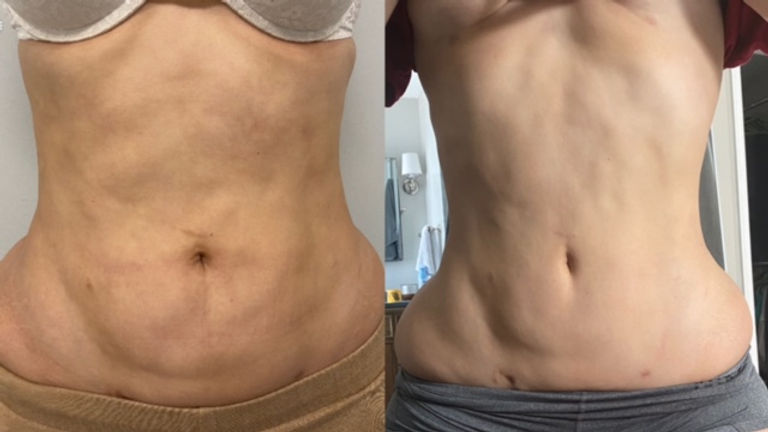
Lymphatic drainage massage uses gentle, rhythmic movements to stimulate lymph flow. This helps your body clear out the fluid buildup that commonly occurs after surgical procedures. The result? Reduced swelling, less bruising, and a faster return to normal activities.
What Does a Lymphatic Drainage Therapist Actually Do?
A qualified lymphatic therapist uses specific hand techniques to encourage lymph movement through your body's natural pathways. Unlike traditional massage, the pressure is extremely light—think featherlight touches rather than deep tissue work.
During a session, your therapist will work systematically across affected areas, always moving fluid towards your lymph nodes. They'll assess your specific needs based on your surgery type and current symptoms. This tailored approach makes sure you get the most benefit from each session.
When Do You Need a Lymphatic Massage After Surgery?
Common Surgeries That Benefit from Lymphatic Therapy
Lymphatic drainage isn't just for one type of surgery. Many procedures can benefit from this gentle treatment. Cosmetic surgeries like liposuction, tummy tucks, and facelifts commonly cause significant swelling that responds well to lymphatic work.
Breast surgeries, including mastectomies and reconstructions, often affect lymph flow and benefit greatly from professional drainage. Joint replacements, particularly knee and hip surgeries, also create swelling that lymphatic massage can help reduce. Even general abdominal surgeries can leave you feeling puffy and uncomfortable.
How Soon After Surgery Should You Start Treatment?
Timing matters when it comes to lymphatic massage. Generally, most people can begin treatment within 24 to 72 hours after surgery, but this varies depending on your specific procedure and your surgeon's recommendations.
Always check with your surgeon before booking your first appointment. They'll let you know when it's safe to start and whether there are any areas to avoid. Some surgeons actually prescribe lymphatic drainage as part of their post-operative care plan, so don't be shy about asking.
What Qualifications Should a Lymphatic Therapist Have?
Essential Certifications and Training to Look For
When searching for a therapist, qualifications should be your top priority. Look for practitioners who hold specific lymphatic drainage certifications, not just general massage qualifications. The Vodder method and Casley-Smith technique are two internationally recognised approaches taught in Australia.
Your therapist should have completed formal training in manual lymphatic drainage (MLD). Ideally, they'll also have experience working with post-surgical clients specifically. Don't hesitate to ask about their training background and how many post-surgery clients they've treated.
Understanding the Difference Between Relaxation and Medical Lymphatic Massage
Here's something crucial to understand: not all lymphatic massage is the same. Relaxation-focused lymphatic treatments you might find at day spas differ significantly from medical lymphatic drainage designed for post-surgical recovery.
Medical lymphatic drainage requires specialised knowledge about surgical healing, potential complications, and contraindications. A therapist trained in medical lymphatic work will know how to adapt their technique based on your surgery type and healing stage. This expertise makes a real difference in your recovery outcomes.
How to Find the Best Lymphatic Drainage Massage in Melbourne
Where to Search for Qualified Therapists
Start by asking your surgeon or GP for recommendations. Many surgeons have trusted therapists they regularly refer patients to. This can save you significant research time and give you confidence in your choice.
Professional associations like the Australasian Lymphology Association maintain directories of qualified practitioners. You can also search through massage therapy associations that verify member credentials. Online reviews on Google and Facebook can provide valuable insights from previous clients.
Questions to Ask Before Booking Your First Appointment
Before committing to a therapist, ask some key questions:
- What specific lymphatic drainage training have you completed?
- How many post-surgical clients do you treat?
- Are you familiar with my type of surgery?
- What can I expect during and after sessions?
- Do you communicate with surgeons if needed?
A confident, qualified therapist will happily answer these questions and provide detailed information about their experience.
Red Flags to Watch Out For
Be cautious of therapists who can't clearly explain their qualifications or training. Avoid anyone who promises miracle results or guarantees specific outcomes. Legitimate practitioners understand that every body heals differently.
Watch out for unusually low prices, which might indicate inadequate training. Similarly, be wary of therapists who want to start treatment without asking about your surgery or medical history. A thorough intake process demonstrates professionalism and care.
What to Expect During Your First Post Surgery Lymphatic Massage
How to Prepare for Your Appointment
Wear loose, comfortable clothing to your appointment. Bring any relevant paperwork from your surgeon, including post-operative instructions. Stay well-hydrated before your session, as this helps lymph flow more easily.
Let your therapist know about any medications you're taking and mention any areas that are particularly tender or concerning. Being open about your current symptoms helps them tailor the treatment to your needs.
What Happens During a Session?
Your therapist will begin with a thorough assessment, asking about your surgery, symptoms, and healing progress. They'll explain what they plan to do before starting any hands-on work.
During the massage itself, you'll experience gentle, rhythmic movements across your skin. The pressure is light—much lighter than you might expect. Sessions typically last between 45 minutes to an hour. Afterwards, you might notice increased urination as your body flushes out the mobilised fluid.

How Much Does Lymphatic Drainage Massage Cost in Melbourne?
Average Pricing and What Influences Cost
In Melbourne, expect to pay between $90 and $180 per session for qualified lymphatic drainage massage. Prices vary based on therapist experience, clinic location, and session length.
Therapists in central Melbourne or upscale suburbs often charge more than those in outer areas. Practitioners with extensive post-surgical experience may also command higher fees. Remember, cheaper isn't always better when it comes to your recovery.
Does Private Health Insurance Cover Lymphatic Massage?
Many private health funds cover lymphatic drainage when performed by a registered remedial massage therapist. Check your specific policy and coverage limits before booking.
Ask your therapist about their provider numbers and whether they offer on-the-spot claiming through HICAPS. Keep in mind that extras cover limits may apply, so you might not receive full reimbursement for each session.
Taking the Next Step in Your Recovery Journey
Finding a qualified post-surgery lymphatic therapist in Melbourne doesn't have to be stressful. Armed with the knowledge from this guide, you can confidently search for a practitioner who meets your needs and supports your healing journey.
Remember the key points: always verify qualifications, ask plenty of questions, and trust your instincts about whether a therapist feels right for you. Don't rush the decision—taking time to find the right fit pays off in better treatment outcomes and a more comfortable recovery experience.
Your body has been through a lot, and it deserves expert care during the healing process. Whether you choose a mobile service or clinic-based treatment, a skilled lymphatic therapist can make a genuine difference in how quickly and comfortably you recover. Take that first step today—your future self will thank you for it.


Comments