


Melbourne Health Guide Essential Suspended Ceiling Maintenance Tips for Safer Indoor Air Quality

Keeping the air you breathe clean starts with regular Suspended ceiling maintenance In Melbourne homes and offices. This guide walks you through the health reasons, the step‑by‑step cleaning process, how to spot mold, fire‑safety checks, and when to call a licensed contractor. See, you’ll get practical tips that fit the city’s wet winters, hot summers, and the mix of old brick terraces and modern high‑rises.
Why suspended ceiling maintenance matters for indoor health
In my experience the ceiling tiles act like a hidden filter for dust pollen and spores. Um when they’re neglected allergens settle & circulate through the hvac system aggravating asthma and hay fever especially in suburbs like fitzroy and carnegie where garden plants release high pollen counts.
What typically happens is that a layer of grime builds up on the grid & the tiles themselves. Over time that layer traps moisture creating a perfect breeding ground for mold. The thing is mold releases mycotoxins that can cause headaches fatigue, & respiratory irritation. Honest advice: if you’re feeling a must “musty” smell after a rainy night it’s probably the ceiling.

● Dust accumulation can be up to 30 % higher in high‑traffic office blocks.
● Moisture from Melbourne’s coastal humidity (average 70 % in winter) speeds up fungal growth.
● Older plaster‑and‑tile combos in the CBD often hide water ingress behind the tiles.
Common health risks linked to neglected ceilings...
From what I’ve seen, the biggest culprits are dust, mold, and outdated fire‑retardant coatings. Dust particles are small enough to slip past standard filters, ending up in your lungs. In the summer, when the city’s heat pushes people to keep windows closed, the problem worsens.
And if you live in a suburb like Sunshine where houses often have flat roofs, water can seep into the ceiling cavity after a heavy storm. Honestly, that water can cause the acoustic tiles to swell, cracking the surface and releasing fibers that irritate the eyes & throat.
● Allergic reactions – sneezing, itchy eyes, runny nose.
● Respiratory issues – wheezing, shortness of breath.
● Long‑term exposure – increased risk of chronic bronchitis.
Step‑by‑step cleaning routine for safe indoor air
Gather the right tools...
First, you’ll need a ladder that reaches the grid safely – a 6‑foot step ladder works well in most Melbourne apartments. Then, grab a soft‑bristled brush, a vacuum with a hepa filter, and a mild detergent such as dawn or a neutral ph cleaner. Avoid harsh chemicals that can off‑gas into the room.
Remove and clean tiles
Carefully lift each tile and place it on a clean sheet. Use the vacuum to pull out loose dust from the grid, then wipe the tiles with a damp cloth and a few drops of detergent... Let them air‑dry for at least 15 minutes before reinstalling.
● Work from one corner to the opposite to avoid missing spots.
● Check for cracks; replace any damaged tile immediately.
● Use a moisture meter if you suspect hidden dampness.
Reinstall & inspect
When you put the tiles back, make sure they sit flush in the grid. Give the whole ceiling a visual once‑over for any sagging or unevenness. If you notice any discoloration, mark the spot for deeper investigation.
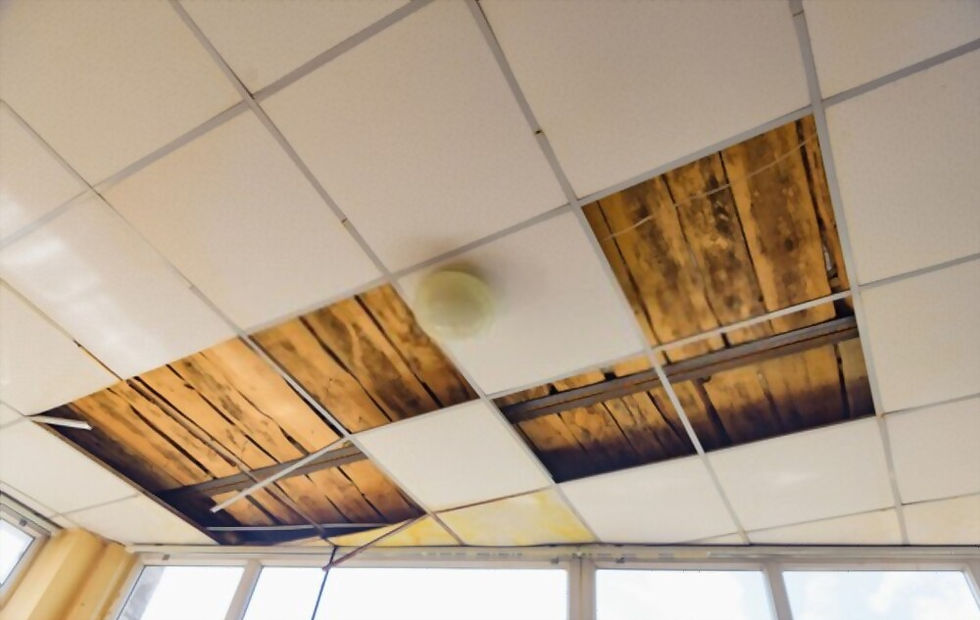
Mold detection and safe removal...
In Melbourne’s humid months mold can appear on the underside of tiles. The sign is often a black or greenish spot that feels slimy to the touch. Don’t just scrape it off; you need to kill the spores.
What typically happens is that homeowners use bleach, which can damage the tile’s surface and release chlorine fumes. Instead, use a 1 % hydrogen peroxide solution or a commercial antifungal spray approved for indoor use. Apply, let sit for 10 minutes, then wipe clean.
● Wear a N95 mask and gloves to avoid inhalation.
● Ventilate the room by opening windows for at least 30 minutes after treatment.
● If the mold covers more than a 30 cm area, call a licensed contractor.
Fire‑safety checks & compliance
Melbourne’s building code requires suspended ceiling maintenance to have fire‑retardant tiles in commercial spaces. Over time, the tiles can lose their rating if they get wet or are painted with non‑approved paints. The thing is, a compromised tile can fail to contain a fire, spreading smoke faster.
And you should check the tile’s label for a fire‑rating stamp. If it’s missing or faded replace it with a new tile that meets the AS 1680‑1 standard. A quick visual inspection every six months is enough for most offices.
● Look for discoloration – yellowing can indicate loss of fire‑retardant properties.
● Check the surrounding insulation for any signs of scorching.
● Keep fire extinguishers accessible near ceiling work areas.
Professional inspection services in Melbourne...
When you’re unsure about the condition of your ceiling, a certified ceiling contractor can perform a thorough audit... They use infrared cameras to spot hidden moisture & can test for airborne mold spores with a portable sampler.
In my experience, a 30‑minute on‑site inspection can reveal issues that a DIY visual check misses. For example, a recent job in Docklands uncovered a slow leak from an air‑conditioning unit that had been feeding moisture into the ceiling cavity for months.
● Choose a contractor with a licence from the Victorian Building Authority.
● Ask for a written report that includes photos and remediation steps.
● Ensure they follow the Australian Standard AS 4349.1 for building inspections.
Seasonal considerations & suburb‑specific tips
Melbourne’s climate swings mean you need to adjust your maintenance schedule. I mean, in winter, when humidity spikes, aim for a full ceiling clean every three months... In summer, after a heavy rainstorm, do a quick visual check for water stains.
And if you live in a suburb like Elwood where sea breezes bring salty air the metal grid can corrode faster. Inspect the grid for rust and apply a rust‑inhibiting spray if needed.
● St Kilda – prioritize mold checks after the annual “rain‑on‑the‑coast” event.
● Northcote – watch for dust from nearby construction sites.
● Footscray – ensure fire‑retardant tiles are not covered by decorative fabric.
Conclusion
Consistent indoor environment in Melbourne. By following the cleaning routine, watching for mold, and keeping fire‑safety standards up‑to‑date, you protect both the building and the people inside it. A quick visual check each season, combined with a professional audit every few years, keeps indoor air quality safe & comfortable for families & businesses alike.


Comments