


Why Regular Electrical Safety Check are Crucial for Home Safety

Have you ever stopped to think about what's happening behind your walls right now? When was the last time you gave your home's electrical system a proper once-over? Most of us flip switches, plug in devices, and charge our phones without a second thought—but what if the wiring that powers our daily lives is silently deteriorating?
Here's the thing: electrical hazards don't usually announce themselves until something goes wrong. We're talking about potential house fires, electric shocks, and damage that could cost thousands to repair. In Australia alone, faulty electrical work causes hundreds of house fires each year. That's a sobering statistic that should make any homeowner sit up and take notice.
In this post, we're going to explore why regular electrical safety check aren't just a nice-to-have—they're absolutely essential for protecting your family and property. You'll learn what these inspections involve, how often you should schedule them, and what red flags to watch out for between professional visits. Plus, we'll break down the costs involved and help you understand why cutting corners on electrical safety is never worth the risk. Let's get into it.
What is an Electrical Safety Check?
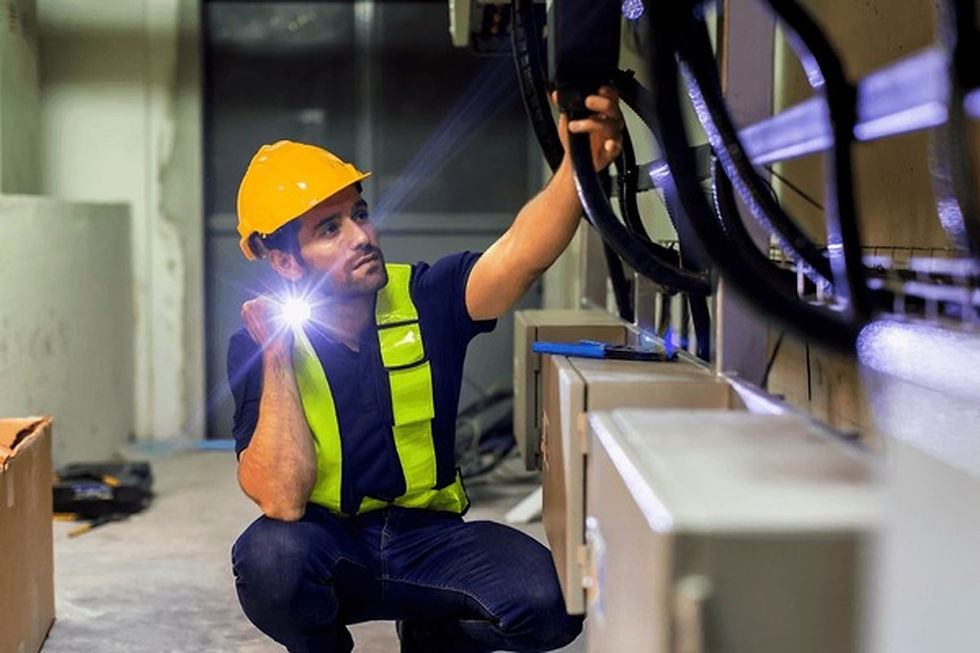
An electrical safety check is a thorough examination of your home's entire electrical system by a licensed professional. Think of it as a health check-up for your house—except instead of checking blood pressure and heart rate, an electrician inspects wiring, outlets, switchboards, and safety devices.
What Does an Electrical Safety Inspection Include?
During a standard inspection, your electrician will examine the condition of your switchboard and circuit breakers. They'll test safety switches (RCDs) to make sure they're working correctly. The inspection covers checking all power points for damage, loose connections, or signs of overheating.
Your sparkie will also look at light fittings, exposed wiring, and the earthing system. They'll identify any potential fire hazards and check that previous electrical work meets current Australian standards. At the end, you'll receive a report outlining any issues found and recommendations for fixes.
The Difference Between a Safety Check and a Full Electrical Audit
A safety check is essentially a visual inspection combined with basic testing. It's designed to identify immediate hazards and obvious problems. A full electrical audit, on the other hand, is far more comprehensive. It involves detailed testing of every circuit, thermal imaging to detect hot spots, and a complete assessment of your system's capacity.
For most homes, regular safety checks are sufficient. However, if you're buying an older property or planning major renovations, a full audit might be worth the extra investment.
Why Are Electrical Safety Checks So Important?
Let's be real—skipping electrical inspections might save you a few dollars in the short term, but the potential consequences are genuinely frightening. Here's why these checks matter so much.
Preventing Electrical Fires in the Home
Electrical faults are one of the leading causes of house fires in Australia. Faulty wiring, overloaded circuits, and damaged appliances can all spark fires that spread rapidly through wall cavities before you even notice the smoke. Regular inspections catch these problems early, before they become catastrophic.
An electrician can spot worn insulation, corroded connections, and overheating components that you'd never see yourself. This proactive approach could literally save your home—and your life.
Protecting Your Family from Electric Shock
Electric shock injuries range from mild tingles to fatal electrocution. Children are particularly vulnerable because they're naturally curious and might poke fingers or objects into power points. Older homes without modern safety switches pose an even greater risk.
During an inspection, your electrician will verify that safety switches are installed and functioning properly. These devices cut power within milliseconds of detecting a fault, preventing serious injury.

Identifying Faulty Wiring Before It Becomes Dangerous
Wiring doesn't last forever. Over time, insulation breaks down, connections loosen, and rodents can chew through cables. The scary part? You usually can't see any of this happening because it's all hidden inside your walls and ceiling.
Professional inspections reveal these hidden dangers before they cause problems. Catching faulty wiring early means simpler, cheaper repairs and far less risk to your household.
How Often Should You Have Your Home Electrics Checked?
The frequency of electrical inspections depends on several factors, including your property type and age.
Recommended Timeframes for Different Property Types
For owner-occupied homes, electrical safety check every five years are generally recommended. Rental properties in most Australian states require inspections every two years—and sometimes more frequently. If your home is over 25 years old, annual checks are a wise investment.
New builds typically won't need an inspection for the first few years, but don't assume everything's perfect just because it's new. Construction defects do happen.
Signs You Need an Electrical Inspection Sooner
Sometimes you shouldn't wait for your scheduled inspection. Watch out for these warning signs:
- Flickering or dimming lights
- Burning smells near outlets or switches
- Discoloured power points
- Circuit breakers that trip frequently
- Buzzing sounds from switches or outlets
- Sparks when plugging in appliances
If you notice any of these, call an electrician straight away. Don't mess about with electrical issues.
Common Electrical Hazards Found During Home Inspections
You might be surprised what turns up during a routine check. Here are the most frequent problems electricians encounter.
Outdated Wiring and Switchboards
Many Australian homes still have old ceramic fuses or switchboards that haven't been upgraded in decades. Some properties even contain aluminium wiring or the now-banned "twin and earth" cable types that pose serious fire risks.
Modern switchboards with circuit breakers and safety switches are far safer and more reliable. Upgrading an outdated system is one of the best investments you can make in your home.
Overloaded Power Points and Circuits
We all own more devices than ever before. It's tempting to daisy-chain powerboards and plug everything into a single outlet. However, this puts enormous strain on circuits designed for much lighter loads.
Overloaded circuits generate heat, which degrades wiring insulation and increases fire risk. An electrician can advise on adding extra circuits to handle your modern power needs safely.

DIY Electrical Work Gone Wrong
Here's a big one: illegal DIY electrical work. In Australia, only licensed electricians can legally perform electrical work. Yet plenty of homeowners have a crack at it themselves—often with dangerous results.
Inspections frequently uncover dodgy wiring jobs, incorrectly installed fixtures, and modifications that violate electrical codes. Apart from being dangerous, this work can void your insurance and create major headaches when selling your property.
What Happens If You Skip Regular Electrical Safety Checks?
Neglecting electrical maintenance might seem harmless, but the consequences can be severe.
The Real Cost of Neglecting Electrical Maintenance
Small problems become big problems when left unchecked. A loose connection that could be fixed for a hundred dollars might eventually cause a fire that destroys your home. Even without catastrophic outcomes, neglected electrical systems become increasingly expensive to repair as issues compound over time.
There's also the cost of inefficiency. Faulty wiring and outdated systems waste electricity, pushing up your power bills month after month.
Insurance Implications and Compliance Issues
Here's something many homeowners don't realise: your insurance company might refuse a claim if electrical faults contributed to damage and you can't demonstrate reasonable maintenance. Some insurers specifically ask about the age and condition of electrical systems.
For landlords, the stakes are even higher. Failing to provide safe electrical systems breaches your legal obligations to tenants and could result in significant fines or legal action.
How Much Does an Electrical Safety Check Cost?
Now for the practical bit—what's this going to set you back?
Factors That Affect Pricing
A basic safety check for an average-sized home typically costs between in Australia. However, prices vary based on property size, location, accessibility of the switchboard, and how comprehensive you want the inspection to be.
Older homes usually take longer to inspect thoroughly, so expect to pay more. Regional areas might also attract higher call-out fees.
Is an Electrical Safety Certificate Worth It?
Absolutely. That certificate provides documented proof that your electrical system met safety standards at the time of inspection. It's valuable for insurance purposes, property sales, and rental compliance.
Think of it this way: for the price of a decent dinner out, you're getting peace of mind and legal protection. That's a pretty solid deal.
Who Can Perform Electrical Safety Inspections?
Not just anyone can conduct these inspections—and for good reason.
Choosing a Licensed Electrician You Can Trust
Always use a licensed electrician registered with your state's electrical safety authority. In Queensland, that's the Electrical Safety Office. In Victoria, it's Energy Safe Victoria. Each state has its own regulatory body.
Ask for licence numbers and check them online before booking. Look for reviews, get multiple quotes, and don't automatically choose the cheapest option. A thorough inspection from a reputable electrician is worth paying a bit more for.
How to Prepare Your Home for an Electrical Safety Inspection
Want to get the most out of your inspection? A little preparation helps. Clear access to your switchboard and meter box. Move furniture away from power points so the electrician can reach them easily. Make a list of any electrical concerns you've noticed—flickering lights, warm outlets, or anything else unusual.
Having your questions ready makes sure nothing gets overlooked. And if you've got documentation from previous inspections or electrical work, have that handy too.
Peace of Mind Starts with Prevention
So, what have we covered? Regular electrical safety check aren't optional extras—they're fundamental to keeping your home and family safe. From preventing devastating fires to catching faulty wiring early, these inspections are one of the smartest investments any homeowner can make.
The key takeaways are straightforward: schedule inspections every two to five years depending on your property type, watch for warning signs between checks, and always use licensed professionals. Don't ignore minor electrical issues, and never attempt DIY electrical work. The risks simply aren't worth it.
Your home should be your safe haven, not a source of hidden danger. By staying proactive about electrical safety, you're protecting the people and things you care about most. So, when was your last electrical safety check? If you can't remember, that's probably your answer right there. Give a licensed sparkie a call and get that peace of mind sorted. You'll be glad you did.


Comments